0 views
Preface
This 2024 Annual Report has been prepared as a form of accountability by Teraju Indonesia to all stakeholders, both those directly and indirectly involved in the implementation of its work. It also aims to present the programs that were carried out by Teraju in 2024, including the achievements and challenges encountered throughout the implementation. This report is expected to generate recommendations for improving future work.
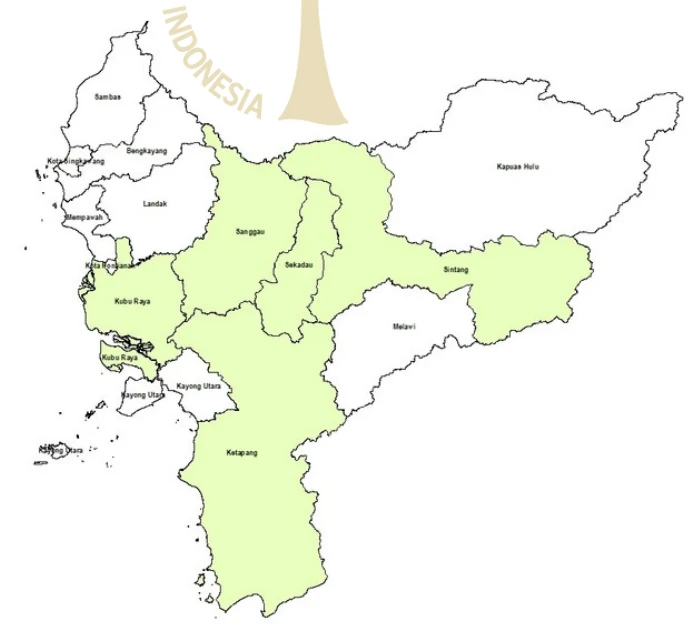
The 2024 programs of Teraju Indonesia were carried out amidst a situation in which Indonesia experienced extreme climate change events such as forest and land fires, as well as ecological disasters including floods and landslides. These events occurred in various regions, including Sanggau, Sintang, Sekadau, Ketapang, and Kubu Raya Regencies, causing significant material losses and forcing thousands of people to evacuate to safer locations.
Therefore, the provincial and district governments of West Kalimantan must take valuable lessons from these ecological disasters. It is crucial to promote development that is not only socially sustainable and beneficial to the wider community, but also environmentally friendly by preserving natural forests and peatlands. Through such efforts, the Province of West Kalimantan can contribute to mitigating the pace of climate change.
The work undertaken by Teraju Indonesia in West Kalimantan throughout 2024 has supported the realization of sustainable development particularly in promoting sustainable palm oil plantation development, advocating for equitable and sustainable forest and land use, and upholding the normative rights of palm oil plantation workers.
Constructive feedback and suggestions from all stakeholders are highly appreciated to support the improvement and growth of Teraju Indonesia Foundation in the future.
Acknowledgements
Teraju Indonesia extends its deepest gratitude to all parties who have supported and contributed to the various programs we implemented throughout 2024. Without the support of donors, partners, and communities, the achievements we have attained would not have been possible. We express our sincere appreciation to the donors who have entrusted us with implementing programs focused on community empowerment, environmental protection, and labor rights advocacy:
- Both Ends, for funding the project “Empowering Indigenous Youth and Women” as a concrete step in addressing climate change and empowering indigenous communities.
- UNDP, through the “Facilitation and Assistance for Forest Area Management” project under the Kalimantan Forest Cluster 2 program, which enabled us to assist villages in Sintang Regency in managing their forests independently.
- Mondiaal FNV, for supporting the project “Collaboration in Improving Welfare and Justice in the Palm Oil Plantation Sector”, which has strengthened the position of palm oil plantation workers in their pursuit of better rights and working conditions.
We also extend our highest appreciation to the partners who have provided exceptional support in every step of our work:
- The Provincial Government of West Kalimantan, for policies and support that have enabled Teraju Indonesia to continue contributing to sustainable development in the region.
- The Regency Government of Sanggau, for recognizing Teraju Indonesia as a development partner and including us in the Sabang Merah Bedompu network, a development partnership forum that has created valuable space for collaboration in supporting communities in our working areas.
- The Regency Government of Sintang, for its active role in supporting our activities under the Kalimantan Forest Cluster 2 project. The involvement of the local government has been instrumental in achieving more optimal outcomes in the four assisted villages in Sintang Regency.
- The West Kalimantan Palm Oil Plantation Workers Union Federation (FSBKS) and its affiliated unions, for their active participation in worker education and capacity building, as well as continued involvement in advocating for improved rights and working conditions in the palm oil plantation sector.
- The Palm Oil Labor Coalition (KBS), which has served as a critical platform for Teraju Indonesia to advocate for broader improvements in palm oil labor conditions at both national and international levels. Through KBS, Teraju Indonesia and FSBKS West Kalimantan have benefited from training, education, and opportunities to engage in dialogue with key actors such as the Ministry of Manpower, the National Commission on Human Rights (Komnas HAM), and both national and international networks, including the International Palm Oil Workers United (IPOWU).
- The Dayak Customary Council (DAD) of Toba Subdistrict, Sanggau Regency, for serving as a strategic partner in supporting various initiatives aimed at strengthening the Dayak indigenous communities. DAD’s involvement as a resource speaker, community facilitator, and provider of recommendations has been a crucial factor in the success of our programs in the region.
Lastly, we would also like to express our heartfelt thanks to the local communities, youth, indigenous women, farmers, and workers who have been integral to this journey. Their trust, dedication, and active participation continue to inspire us to work toward meaningful and lasting change.
We sincerely hope that this collaboration will continue to grow in the years to come, enabling us to jointly create a broader impact for the well-being and sustainability of West Kalimantan.
Thank you!
Message from the Executive Director of Teraju Indonesia
To All of Us,
The year 2024 has been both a joyful and challenging year for us. Throughout the implementation of our programs, we have been grateful for the opportunity to engage directly with communities affected by the control and expansion of extractive industries based on forest and land resources. We have faced numerous challenges, including climate change, land-use conversion, the shrinking of indigenous/local community-managed areas, and ongoing tenure conflicts.
West Kalimantan is one of Indonesia’s provinces rich in natural resources both above and beneath the ground. This abundance has attracted aggressive exploitation by extractive industries, particularly those based on forest and land use. Unfortunately, such exploitation has rarely been accompanied by sustainable forest and land management, nor has it taken into account the social impacts that inevitably follow.
These conditions underline the urgent need for all stakeholders to strengthen their roles in nurturing social dynamics and jointly safeguarding environmental sustainability in West Kalimantan. Therefore, Teraju Indonesia remains open to collaboration with all parties in the pursuit of the Sustainable Development Goals (SDGs) and the mitigation of climate change impacts.
Pontianak, February 18th, 2025
Agus Sutomo
Executive Director of Teraju Indonesia
No One Left Behind
No One Left Behind is the central promise of the Sustainable Development Goals (SDGs), which aim to create a just, equal, and sustainable world for all. It goes beyond eradicating poverty, it also seeks to end discrimination and exclusion across lines of race, gender, and other identity markers. This commitment emphasizes equity and inclusiveness in development, meaning that no group in society should be marginalized or left behind in the development process.
Likewise, Teraju Indonesia, in implementing its programs, strives to ensure that all individuals and groups can participate regardless of age, race, ethnicity, gender, religion, language, disability, caste, socio-economic status, or whether they are migrants or indigenous peoples.
We fully recognize that the key to ensuring development leaves no one behind is an educated society. Therefore, Teraju Indonesia consistently ensures that every program it undertakes invests in education and human potential. By building community capacity that integrates local knowledge and skills, we aim to empower vulnerable groups so they are not left behind or excluded from the benefits of development.
Table of Contents
Executive Summary
The year 2024 was a dynamic period for Teraju Indonesia in implementing various programs on community empowerment, forest protection, and labor welfare advocacy in West Kalimantan. With support from four donor institutions Both Ends, UNDP, and Mondiaal FNV, Teraju Indonesia successfully carried out initiatives that directly impacted local communities, particularly Indigenous peoples, smallholder farmers, and palm oil plantation workers.
Through the project “Empowering Indigenous Youth and Women” in collaboration with Both Ends, the organization focused on enhancing the role of youth and women in addressing climate change challenges. The program included capacity building for women in sustainable agriculture, advocacy for Indigenous women’s rights, and the strengthening of community-based economic initiatives grounded in local wisdom.
In the project “Facilitation and Assistance for Village-Led Forest Management in APL Areas in Sintang Regency”, part of the UNDP-Kalimantan Forest Cluster 2 program, Teraju Indonesia supported four villages in Sintang Regency in independently managing their forest areas. Key achievements of this project included the establishment of village forest management institutions, capacity strengthening for communities in forest governance, and policy advocacy for the recognition of community-based forest management. In addition, Teraju Indonesia facilitated partnerships between villages and palm oil companies, aiming to improve community welfare without compromising environmental sustainability.
In the labor sector, the project “Collaboration for Improved Welfare and Justice in the Palm Oil Plantation Sector”, supported by Mondiaal FNV, successfully strengthened the West Kalimantan Palm Oil Plantation Workers Union Federation (FSBKS). This program focused on enhancing the capacity of labor unions to advocate for workers’ rights in the palm oil sector, promote labor policy reforms, and strengthen union networks at both local and national levels.
Throughout 2024, Teraju Indonesia faced numerous challenges, including policy dynamics in natural resource governance, difficulties in building multi-stakeholder partnerships, and limited resources to scale program impacts. However, through community-based approaches, sustained advocacy, and synergy with various stakeholders, these challenges were addressed through adaptive strategies.
Looking ahead, Teraju Indonesia remains committed to strengthening the roles of Indigenous peoples, farmers, and workers in managing natural resources and improving livelihoods grounded in social and environmental justice. With a spirit of collaboration and innovation, Teraju Indonesia is dedicated to contributing toward a more self-reliant, prosperous, and sovereign society in control of its own resources.
About Teraju Indonesia
Teraju Indonesia was established on August 17, 2020, as the result of a collective deliberation involving Indigenous leaders, women, youth, and plasma farmer cooperatives (palm oil) in Teraju Village, Toba Subdistrict, Sanggau Regency. The organization was officially registered with the Ministry of Law and Human Rights of the Republic of Indonesia on February 19, 2021, under Registration Number AHU- 0002269.AH.01.07.Year 2021. Its existence has also been formally acknowledged by the West Kalimantan Provincial Agency for National Unity and Political Affairs through Letter No. 539/BKBP-D.2/2021.
The foundation’s establishment was driven by deep concerns shared by Indigenous and local communities, farmers, palm oil plantation workers, women, youth, and other community groups. These concerns arose from the widespread and aggressive land and forest acquisition along with the exploitation of the natural wealth they contain by extractive industries. The control and use of these natural resources have largely been dictated by political-economic interests prioritizing the supply of raw materials to global industrial giants. As a result, the island of Kalimantan, rich in natural resources, has been viewed merely as a territory to be exploited.
The penetration of extractive industries in Kalimantan began with logging operations in natural forests by timber concessions (HPH), the parceling and conversion of land into monoculture plantations especially for oil palm and industrial timber (pulp and paper), and the mining of minerals and coal. This economically driven orientation, coupled with poor forest and land governance practices, has led to the exploitative management of forests and natural resources. The resulting inequality in land and forest tenure has been a major cause of the loss of Indigenous and local community rights, the depletion of community-based livelihoods, the escalation of tenure conflicts, the destruction of Kalimantan’s forests, the extinction of native biodiversity, and significant contributions to climate change and ecological disasters.
Teraju Indonesia’s Operational Area
Since its establishment, Teraju Indonesia has operated in five regencies within West Kalimantan Province, they are: Kubu Raya, Ketapang, Sanggau, Sekadau, and Sintang Regencies.
Specifically in 2024, we implemented our programs in 14 villages, directly benefiting a total of 3,286 individuals, consisting of 788 women and 2,498 men. All activities carried out align with the vision of Teraju Indonesia Foundation: “To contribute to building socially just Indigenous/local communities, farmers, laborers, women, youth, and other community groups by strengthening participatory research, investigation, advocacy, and capacity building, thereby fostering self- reliance in addressing social, economic, political, cultural, and climate-related challenges.”
Guided by this vision, our efforts have included advocacy for Indigenous/local communities and laborers who have been victims of human rights violations, as well as capacity building for Indigenous/local communities, farmers, laborers, women, youth, and other groups in the protection and sustainable management of forests and natural resources.
2024 Program
In 2024, in pursuit of its vision and mission, Teraju Indonesia has been supported by several donor and partner organizations, including Both ENDS, the UNDP KalFor Project, and Mondiaal FNV.
A. Both ENDS
The project titled “Strengthening Indigenous Youth and Women: Advancing Steps to Address Climate Change” aims to enhance the resilience of Indigenous communities to the impacts of climate change through sustainable natural resource management, capacity building for Indigenous youth and women in territorial governance and decision-making, and protection and management of Indigenous territories rich in forests and water sources.
The specific objectives of this project include:
- Strengthening the technical capacity of Indigenous communities in climate change mitigation and adaptation, including organic agriculture and natural resource management.
- Developing Indigenous territory management plans to ensure the sustainability of local ecosystems and community well-being.
- Increasing the participation of Indigenous youth and women in decision-making and natural resource governance in their respective areas.
- Building collaborations with stakeholders including government and civil society organizations to reinforce program outcomes.
To achieve these goals, the project implemented a variety of activities, including:
- Training on Organic Fertilizer Production and Sustainable Agriculture
- Conducted in the villages of Mawang Muda, Balai Tinggi, and Labai Hilir, involving a total of 85 participants, consisting of 23 Indigenous women and 62 youth.
- Participants learned to produce organic fertilizer from household waste to reduce dependency on chemical fertilizers and improve environmentally friendly farming yields.
- Development of Demonstration Plots as Organic Farming Training Centers
- Established in Mawang Muda Village as a model of organic agriculture that can be replicated by other communities.
- These demplots serve as training centers, experimental sites for organic farming, and hubs for organic fertilizer production.
- Biodiversity Identification and Documentation
- Conducted in Labai Hilir and Mawang Muda to document local flora and fauna species.
- A key finding was the discovery of a Nepenthes (pitcher plant) habitat on Bukit Terap, which formed the basis for advocacy to protect Indigenous territory.
- Youth Discussion Forums and Public Awareness Campaigns
- A disscussion on the impacts of climate change held in Mawang Muda led to the formation of an Indigenous youth forum committed to climate change mitigation.
- Public campaigns raised community awareness of the importance of organic farming and sustainable environmental management.
- Mapping of Indigenous Territories and Natural Resource Management
- Participatory mapping was carried out in Labai Hilir, identifying key natural resources vital to the community.
- The mapping outcomes were used to support advocacy for the protection of Bukit Terap from plantation and mining industry expansion.
- Advocacy and Dialogue with Government
- Engagements with village governments led to policy support for integrating demplot work plans into village development meetings.
- Advocacy to designate Bukit Terap as Indigenous forest was strengthened using biodiversity data collected through the project.
The project has delivered significant outcomes in community capacity building and environmental protection. A total of 771 Indigenous people, including 192 women and 579 men, actively participated in the program. Activities focused on enhancing environmental awareness and critical thinking, natural resource management, and organic agriculture practices.
One major achievement was the participatory mapping of Indigenous territories in villages such as Labai Hilir, Mawang Muda, and Thangraya. In Mawang Muda, youth and village authorities agreed to map the territory of the Dayak Golik sub-tribe as a preliminary step toward territorial protection. In Thangraya, 380 plots covering a total area of 150.33 hectares were mapped by supported farmer groups.
In sustainable agriculture, 16 farmer groups were established across the villages of Kenaman (Sekayam Subdistrict), Mawang Muda (Beduai Subdistrict), Teraju, and Kampung Baru (Toba Subdistrict). Each group developed work plans to implement sustainable agriculture practices on their lands. Organic farming demplots were also developed in Teraju, Mawang Muda, and Thangraya, serving as centers for food crop cultivation, local plant nurseries, and organic fertilizer production.
In environmental conservation, Indigenous communities gained greater knowledge and skills in protecting their territories. Through participatory mapping and natural resource identification reports, communities can now use this data for advocacy to safeguard forests and water sources from industrial threats. In some villages, Indigenous youth are actively involved in mapping and documenting territories, including the protection of Bukit Terap in Labai Hilir.
From a social and institutional perspective, Indigenous women now play a larger role in decision-making processes, following agreements to include them in every customary consultation. This approach is reinforced by the establishment of an Indigenous school in Semandang Kiri, serving as a platform for youth and women to
learn about resource governance and customary law. Government support has also increased, such as in Mawang Muda, where the demplot work plan has been integrated into village development planning meetings.
Throughout project implementation, various challenges emerged, offering valuable lessons for the program’s sustainability. Difficult access to locations, especially in Labai Hilir, posed major obstacles for biodiversity mapping and environmental data collection. To address this, the project engaged local community members with deep territorial knowledge and collaborated with village governments to plan forest protection actions.
Low female participation in some training sessions, mainly due to time constraints, was another challenge. The project responded by making training schedules more flexible and engaging Indigenous women leaders as facilitators to encourage greater female involvement.
Another challenge was the threat of industrial expansion into Indigenous territories, particularly from companies like PT. Mayawana Persada, which is planning to expand operations into Bukit Terap. To counter this, the project supported efforts to accelerate Indigenous forest status proposals and strengthened data-driven advocacy with local governments and relevant stakeholders.
Limited resources for demplot development also hindered progress in establishing organic agriculture facilities. However, the project successfully mobilized local resources and collaborated with farmer groups and village authorities to expedite the provision of materials and field activities.
Lastly, varying levels of understanding about climate change among communities led to differing project acceptance across villages. The project responded with more public awareness campaigns, using culturally rooted and locally relevant approaches to improve understanding.
In conclusion, the project successfully built Indigenous community capacity to face climate change, strengthened territorial protection, and elevated the roles of youth and women in natural resource management. Key success factors included active community participation, support from village governments, and a data-based, advocacy-oriented approach. With its adaptive strategy, the project not only achieved short-term impact but also laid the groundwork for the long-term sustainability of similar initiatives.
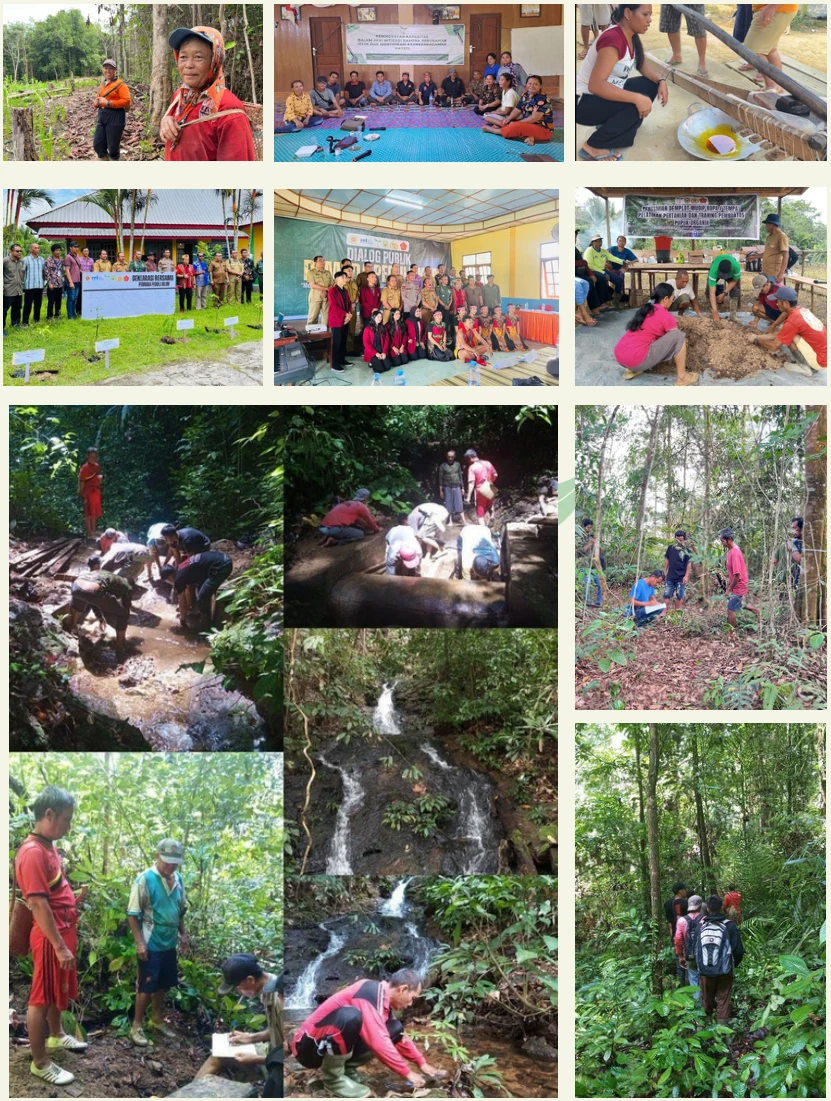
Documentation
B. UNDP-KalFor Project 2023–2024
The project titled “Facilitation and Assistance for Community-Based Forest Management in Other Land Use Areas (APL) in Sintang Regency”, implemented by Teraju Indonesia as part of the Kalimantan Forest (KalFor) program, aimed to strengthen the capacity of rural communities in managing and protecting forested areas within the APL sustainably. This project also sought to ensure the active participation of communities, local government, and other stakeholders in forest conservation while upholding local wisdom. Additionally, the project promoted partnerships between communities and palm oil companies to ensure sustainable forest management around concession areas and to enhance community welfare through sustainable natural resource use.
To achieve these objectives, the project implemented a range of activities, including:
- Raising Community Awareness and Capacity
- Conducted trainings to improve understanding of forest protection and sustainable natural resource management.
- Involved 100 participants (60 men and 40 women) from diverse community groups in natural resource management training.
- Participatory Mapping of Forested Areas in APL
- Carried out mapping of forest conditions and natural resources in four target villages: Betung Permai, Mensiku, Kempas Raya, and Mensuang.
- Produced data and digital maps of forest conditions and community economic potential, which served as the basis for village forest management planning.
- Establishment and Strengthening of Forest Management Institutions
- Facilitated the formation of forest/gupung management institutions in each partner village.
- Provided training on institutional management, forest monitoring, and biodiversity surveillance to the established management institutions.
- Policy Development and Partnerships with Plantation Companies
- Advocated for a Regent Decree from Sintang Regency to designate gupung/forest areas as village forests in the four partner villages.
- Facilitated the drafting of village regulations supporting independent forest area management.
- Fostered partnerships between village forest management institutions and palm oil companies, formalized through Memoranda of Understanding on sustainable forest management.
- Development of Demonstration Plots and Forest-Based Enterprises
- Assisted each village in establishing a demonstration plot as a center for learning and practicing natural resource management.
- Encouraged the development of forest-based enterprises as alternative livelihoods, such as non-timber forest product (NTFP) utilization.
- Documentation and Exit Strategy
- Prepared sustainability strategies to ensure continued forest management after UNDP funding ends.
- Produced four documentary videos capturing the facilitation process in each village for use in learning and advocacy.
The project achieved several significant outcomes, including:
- Signing of Free, Prior, and Informed Consent (FPIC) documents in each partner village, serving as the legal basis for community forest management.
- Selection of 20 local facilitators (five per village) to continue community empowerment and community-based forest management efforts.
- Availability of forest area maps and data on natural resource potential in each village, supporting sustainable development planning. The total area successfully mapped amounted to 2,088.87 hectares.
- Documentation of gender equality and social inclusion in forest management, ensuring women’s participation in decision-making processes.
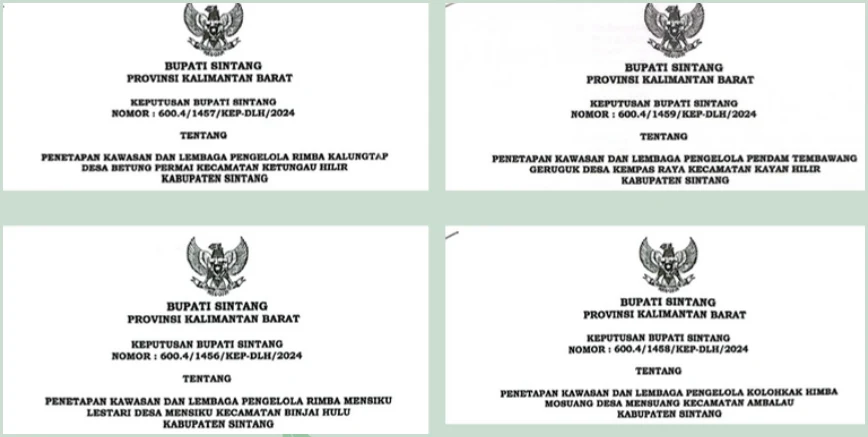
- Issuance of a Regent Decree in Sintang recognizing village gupung/forest areas and management institutions, along with supporting village regulations.
- Establishment of partnerships between plantation companies and forest management institutions, such as the MoU between Mensiku Village and PT Bontipermai Jayaraya on a Conservation Area Partnership Program.
- Each village now has a demonstration plot for managing and utilizing natural resources and supporting community-based production enterprises.
- Four documentary videos produced to illustrate the facilitation process in each village.
- Establishment of village-authorized forest patrol teams in all four village
This project has yielded numerous positive impacts for rural communities in Sintang Regency. Through participatory mapping and the development of community-based forest management policies, communities now have greater access and control over their natural resources. This enables them to protect forests while utilizing them sustainably to improve their economic well-being.
Socially, the involvement of women and vulnerable groups in forest management decision-making has increased. This was supported by gender equality training and documentation, ensuring that women’s roles are acknowledged in natural resource governance.
Economically, the project opened opportunities for forest-based enterprises, including NTFP utilization and the development of environmentally friendly small businesses. The establishment of demonstration plots in each village has also provided communities with opportunities to learn and apply sustainable farming and forest management practices.
However, the project also encountered several challenges during its implementation. One major challenge was the initial lack of community understanding about community-based forest management, which required intensive outreach and training to build support and engagement. Additionally, partnerships with plantation companies were not always smooth, as not all companies were willing to collaborate in forest management. To address this, the project employed dialogue and advocacy approaches to build mutual understanding between communities and the private sector.
Another challenge was the limited accessibility to partner villages, particularly during the rainy season when travel became difficult. To overcome this, the project strengthened the role of local facilitators, allowing the facilitation process to continue even when Teraju Indonesia staff could not be present on-site. There were also concerns about the sustainability of the program after the funding period ended. To address this, the project ensured that each village had a sustainability (exit) strategy, which included the establishment of strong village institutions, increased community capacity, and support from local government.
The facilitation process in this project has yielded many valuable lessons, particularly regarding community-based forest management, strengthening of local institutions, and community involvement in decision-making.
One key lesson was the role of customary law in forest management. In Betung Permai Village, customary laws such as Adat Menanam Padi (rice planting rituals) and Adat Nganyi (rice harvesting) serve as the main guidelines for maintaining ecological balance and social life. The facilitation showed that customary law can be a strong foundation for sustainable forest management and building community trust in a community-based management system. Similar practices were found in Mensuang Village, where Adat Ngamuk Ngesuh and Adat Nyolut govern natural resource use.
Strengthening local institutions emerged as a crucial factor in the success of forest management. In each partner village, forest/gupung management institutions were established to manage forested areas independently. In Betung Permai, the facilitation process led to the formation of the Betung Lestari Forest/Gupung Management Institution, which now manages 22 forest areas, including those within palm oil company concession zones. In Mensiku, the Senaung Hijau Forest/Gupung Management Institution was established, responsible for managing culturally and environmentally based ecotourism. The key takeaway from these experiences is that without strong institutions, forest management efforts are difficult to sustain, making it essential for communities to have clear and sustainable organizational structures.
The facilitation also highlighted the importance of participatory mapping in asserting community management rights over forests. In Kempas Raya, the community successfully mapped 163.66 hectares of forest, which became the foundation for strengthening management claims. In Betung Permai, 22 forest areas covering 143.14 hectares were mapped and used as the basis for proposing gupung designation under a Regent Decree. This mapping process not only strengthened land claims but also increased community awareness of the importance of accurate data in planning natural resource governance.
Economically, the project demonstrated that integrating conservation with livelihoods can be an effective model. In Betung Permai, a minapadi (rice-fish farming) system was developed as a sustainable agricultural model combining rice and fish cultivation in a single ecosystem. In Mensuang, local coffee was developed through an agroforestry system in which coffee plants were intercropped with forest trees to maintain ecological balance. The facilitation showed that NTFP-based businesses,
such as coffee and ecotourism, can be sustainable economic solutions that do not harm the environment. However, challenges remain, including limited market access and infrastructure to support product distribution.
From a social inclusion perspective, women’s involvement in forest management remains a challenge. In Betung Permai, although women play a crucial role in farming and forest product management, their participation in formal decision-making remains low. A similar situation was found in Mensiku, where women are involved in NTFP utilization such as rattan and pandanus, but are still not active in village institutions. To address this, gender equality training was held to increase women’s participation in forest governance and promote more equitable village development.
From these overall experiences, several key lessons can be drawn:
- Customary law plays a vital role in forest management and must be continuously strengthened as a legal foundation for communities.
- Without strong local institutions, forest management efforts are unlikely to be sustained in the long term.
- Participatory mapping is an effective strategy for strengthening community claims over forest areas.
- Forest-based enterprises can serve as pillars of sustainable local economies, but require marketing strategies and supporting infrastructure for broader development.
- Women’s participation in forest management institutions must be actively encouraged to ensure inclusive decision-making.
- Government support in terms of infrastructure and policy is essential to ensure the sustainability of community-based forest management.
With these various lessons, the UNDP-KalFor project has laid a strong foundation for the communities in the four assisted villages to manage forests independently and sustainably. However, to ensure the sustainability of this program, continued assistance, policy support, and improved access to markets and infrastructure are needed to strengthen the impact that has been achieved. Overall, this project has made a positive impact in protecting and managing forests in Sintang Regency independently by village communities. Through a community-based approach, institutional strengthening, policy support, and partnerships, this project not only contributes to environmental conservation but also to improving community welfare. This success demonstrates that community-based forest management can be an effective solution for preserving forests, enhancing the local economy, and strengthening the rights of Indigenous peoples over their land and natural resources.
Decree on the Designation of Forest Areas and Management Institutions of Rimba Gupung in Four Villages
Documentation
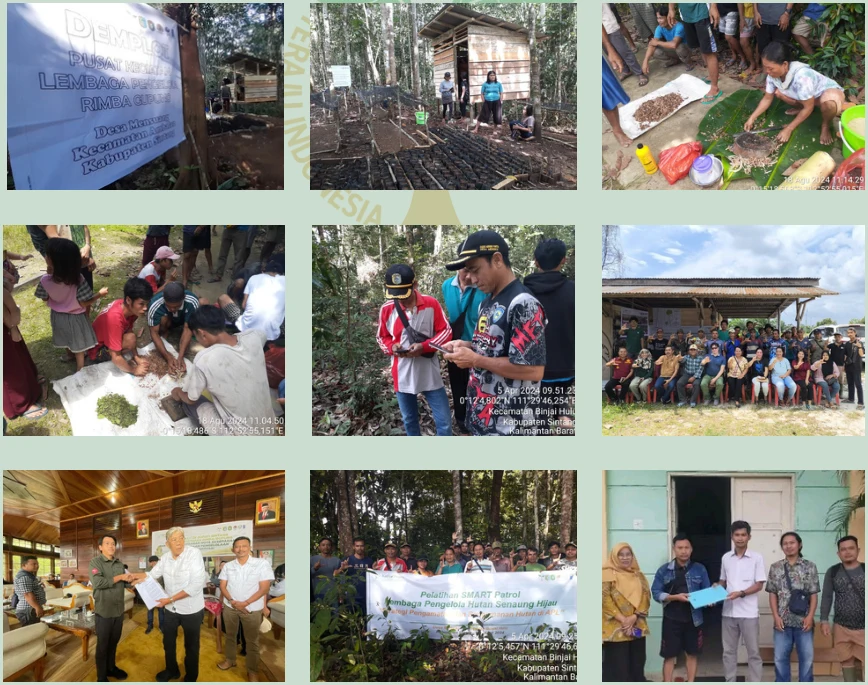
C. Mondiaal FNV
The project “Collaboration to Improve Welfare and Justice in the Palm Oil Plantation Sector through the Empowerment Program of the West Kalimantan Palm Oil Plantation Trade Union Federation (FSBKS-Kalbar)” aims to strengthen the protection of human rights (HR) for palm oil plantation workers. This project highlights various human rights violations within the palm oil sector, including labor exploitation, inadequate wages, precarious employment status, discrimination against female workers, and violations of occupational health and safety rights.
Through this project, trade unions are encouraged to advocate for workers’ rights, push for fairer policies, and develop more effective worker protection mechanisms. In addition, the project also strengthens the trade union network at the national and international levels to raise the visibility of human rights violations in the palm oil industry.
During project implementation, several forms of human rights violations were identified, including:
- Inadequate Wages and Unilateral Wage Deductions
- Several palm oil companies still impose unrealistic work target systems, forcing workers to exceed normal working hours without proper compensation.
- Workers experience unilateral wage deductions, which in some cases reach 30– 40% of their total income.
- Discriminatory wage structures were found, where female workers were paid less than male workers, despite performing the same tasks.
- Precarious Employment Status and Vulnerability to Termination
- The majority of plantation workers are still employed as casual daily laborers (BHL), without social protection or clear job security.
- Contract and daily workers are more vulnerable to arbitrary termination without adequate compensation as mandated by labor regulations.
- Violations of Women’s Rights in the Workplace
- Lack of protection for female workers, especially regarding maternity rights and paid maternity leave. Many companies do not provide full-paid maternity leave, and in some cases, pregnant workers are dismissed.
- Female workers are often assigned to high-risk jobs such as pesticide spraying and fertilizing, without adequate personal protective equipment (PPE).
- Gender-based harassment and violence remain prevalent, with minimal safe complaint mechanisms for victims.
- Violations of Occupational Health and Safety (OHS) Rights
- Many workers are not provided with proper PPE, particularly those working with hazardous chemicals such as pesticides and herbicides.
- Workers suffer from work-related illnesses, including respiratory problems and skin diseases due to exposure to toxic substances, without compensation from the companies.
- Workplace accidents are often underreported, and workers are denied their rights to medical care or accident compensation.
- Repression of Trade Unions and Freedom of Association
- Trade unions face intimidation from companies, including threats of dismissal for workers who join unions.
- In some cases, union leaders have been criminalized, accused of harming the company simply for advocating workers’ rights.
- Companies employ union-busting strategies by establishing rival unions to weaken independent labor movements.
To address these human rights violations, the project implements several intervention strategies, including:
- Case Support and Human Rights Advocacy
- Providing legal assistance for workers experiencing arbitrary dismissal and illegal wage deductions.
- Submitting formal complaints to the National Human Rights Commission (Komnas HAM) and the RSPO regarding workers’ rights violations in several palm oil companies.
- Organizing solidarity actions and public campaigns to draw attention to the criminalization of labor activists.
- Capacity Building for Trade Unions in Human Rights Advocacy
- Conducting labor law and human rights training for union members.
- Training workers to document cases of human rights violations in the workplace.
- Assisting unions in negotiating collective labor agreements (CLA) that include human rights protection clauses.
- Campaigns and International Networking
- Connecting trade unions with international human rights organizations such as the International Palm Oil Workers Union (IPOWU) to strengthen global advocacy.
- Participating in global campaigns addressing the impact of the palm oil industry on workers’ rights and the environment.
- Publishing reports on the conditions of palm oil workers in West Kalimantan to raise international awareness of these issues.
As a result of the human rights advocacy activities carried out under this project:
- Several companies have begun to revise their labor policies, particularly regarding wage systems and maternity protection.
- Cases of illegal wage deductions have been documented and submitted to the relevant authorities, resulting in partial restitution of unlawfully withheld wages.
- There has been increased participation of female workers in trade unions, allowing them greater influence in negotiations with companies.
- The RSPO has initiated investigations into several companies reported for workers’ rights violations, which may lead to improved working conditions on the ground.
- Stronger advocacy networks have been established between local trade unions and international human rights organizations, enhancing the bargaining position of workers in negotiations with large corporations.
Although the project has achieved several successes, challenges remain. Weak enforcement of human rights laws at the national level has led many companies to feel unaccountable to HR standards. In addition, threats against labor activists remain high, indicating the need for stronger protection strategies for human rights defenders in the palm oil sector.
Nevertheless, the project demonstrates that evidence-based advocacy, engagement with international networks, and the empowerment of trade unions are effective strategies for promoting human rights in the palm oil plantation sector. Moving forward, greater support from national and international stakeholders is needed to ensure better protection of palm oil workers’ rights.
Documentation
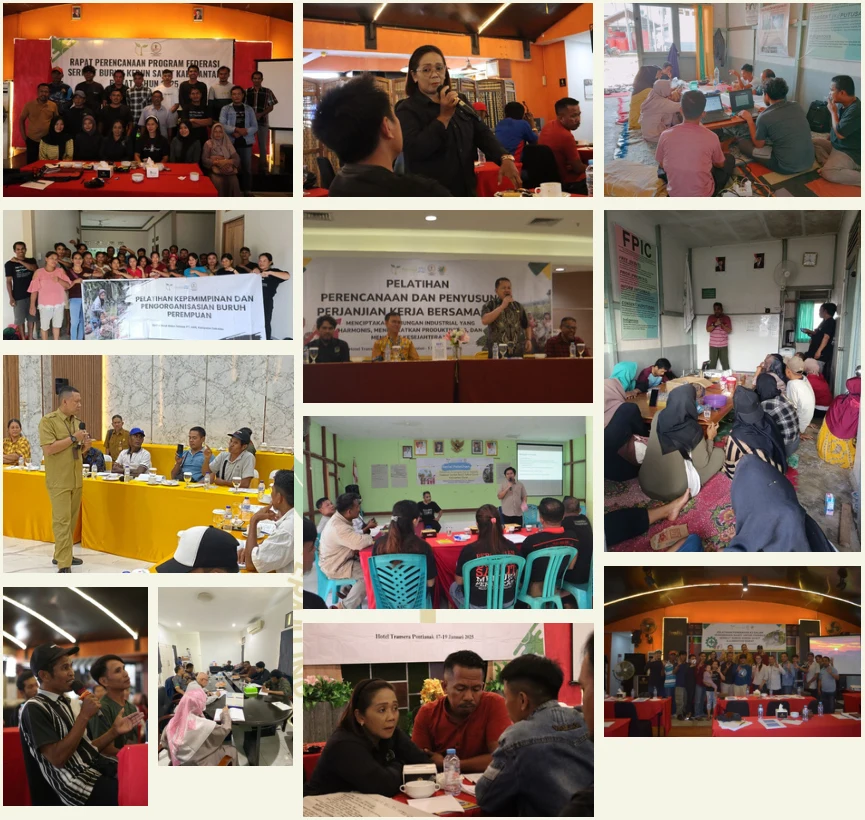
Lesson Learned and Recommendation
As part of an internal evaluation of the effectiveness of its implemented programs, Teraju Indonesia conducted a reflective assessment of the achievements, challenges, and lessons learned from four major projects funded by Both Ends, UNDP-KalFor, and Mondiaal FNV. This evaluation aimed to identify areas requiring reinforcement and provide recommendations for future program improvement.
Throughout the implementation of the four major projects, Teraju Indonesia gained valuable insights into the effectiveness of its approaches and the challenges that lie ahead. One of the key lessons is that community-based approaches are highly effective in raising awareness and fostering community engagement; however, they require long-term facilitation to ensure sustainable impact. In the Both Ends project, previously passive Indigenous youth and women began to show increased concern for environmental issues and natural resource management. Nevertheless, without continuous support, there is a risk that the acquired knowledge will not be consistently applied in daily practices. Similar findings were observed in the UNDP- KalFor project, where participatory mapping and the establishment of village forest management institutions yielded positive results, yet the managerial capacity of these institutions still requires further strengthening to achieve long-term self-reliance.
In the Mondiaal FNV project, strengthening trade unions led to improvements in wage systems and the protection of female workers. However, significant challenges persist in negotiations with companies, which often refuse to compromise. Some companies have even engaged in union-busting practices to weaken independent labor movements. Therefore, stronger advocacy strategies are needed, including the promotion of social dialogue among trade unions, government, and companies. Additionally, while some workers have successfully defended their rights through unions, many casual laborers remain without employment protection, indicating the need for broader strategies to advocate for systemic changes in labor policies.
On the other hand, the involvement of women in natural resource management and trade unions still faces numerous challenges, particularly related to cultural constraints that limit their roles in decision-making. In the Both Ends and UNDP- KalFor projects, women have begun to take a more active role in natural resource governance, but they are still not on equal footing with men in leadership positions. This highlights that while gender awareness has increased, targeted strategies are still needed to ensure that women have broader access to decision-making processes, both at the community level and within formal institutions.
Another lesson learned is the crucial importance of government support in ensuring program sustainability; however, its implementation remains suboptimal. Several assisted villages face limitations in accessibility and marketing of community-based products due to inadequate infrastructure such as roads, electricity, and market
access. Moreover, government policies supporting community-based forest management and environmentally oriented economic enterprises are still limited. This underscores the need for further advocacy to better integrate such programs into local development planning. In the case of the UNDP-KalFor project, the involvement of local governments proved instrumental in providing legal recognition for village forests, but technical and financial support for communities to manage forests effectively still needs to be improved.
Finally, the project demonstrated that international networks and partnerships can significantly enhance advocacy efforts, yet they remain underutilized. In the Mondiaal FNV project, connections between palm oil workers’ unions in West Kalimantan and global networks such as the International Palm Oil Workers Union (IPOWU) boosted labor rights advocacy, but the overall reach remains limited. Conversely, the UNDP- KalFor project has succeeded in drawing greater national stakeholder attention to community-based forest protection, yet it has not been sufficiently linked to international environmental movements that could bolster the legitimacy of Indigenous forest rights struggles. Therefore, expanding collaboration with international organizations is essential to amplify the impact of advocacy efforts both nationally and globally.
Overall, the implementation of these projects demonstrates that community-based approaches, policy advocacy, and local institutional strengthening are effective strategies for creating sustainable social change. However, to ensure broader and longer-lasting impact, more comprehensive facilitation strategies, enhanced female participation, stronger policy advocacy, and closer collaboration with international networks and responsible private sector actors are necessary.
Based on the internal evaluation, the following recommendations are proposed to improve the effectiveness and long-term impact of Teraju Indonesia’s future programs:
- Enhancing Program Sustainability through Long-Term Mentorship
- Provide sustained mentoring and monitoring programs for assisted communities, particularly in strengthening farmer organizations and village forest management institutions to enable independent natural resource governance.
- Develop strategies for engaging Indigenous youth in natural resource management, including environmentally based economic opportunities to ensure sustainable community leadership.
- Strengthening Policy Advocacy and Social Dialogue
- Promote tripartite dialogue platforms (between labor unions, government, and companies) to facilitate more effective labor negotiations that do not rely solely on union pressure.
- Advocate for stronger community-based forest protection policies, including incentive schemes for villages that successfully preserve their forests from industrial expansion.
- Propose affirmative policies for female plantation workers, particularly in maternity protection, elimination of wage discrimination, and access to appropriate personal protective equipment (PPE).
- Developing Sustainable Business Models to Support Community Economies
- Develop markets and value chains for community-based products such as agroforestry coffee, forest honey, and rattan from Indigenous territories, with support from responsible private sector actors.
- Encourage fair partnership agreements between villages and companies, allowing communities to gain stronger bargaining power in the management of their natural resources.
- Increasing the Participation of Women and Vulnerable Groups in Resource Management
- Establish women-led Indigenous schools to promote leadership and advocacy skills among Indigenous women in assisted communities.
- Build women’s capacity in organizational management, forest-based economic initiatives, and sustainable agricultural practices to empower them to participate in community-level decision-making.
- Expanding International Networks and Global Campaign Support
- Connect assisted communities with global movements for environmental justice and labor rights, so their issues gain broader visibility and help pressure industry actors to act responsibly.
- Strengthen communication and campaign strategies, including case reports, video documentation, and evidence-based advocacy tools that can be used in negotiations with government and the private sector.
Internal evaluations of Teraju Indonesia’s projects show that community-based approaches have generated significant positive impacts for local communities. However, challenges remain in ensuring program sustainability, strengthening policy support, and increasing engagement from both government and the private sector.
Moving forward, long-term accompaniment, more systemic policy advocacy, and stronger integration of environmentally based economies into broader markets must be reinforced to ensure that the changes achieved continue to evolve and benefit future generations.
Teraju Indonesia remains committed to working with communities, government, and international partners to ensure that social justice, labor rights, and environmental protection remain central to sustainable development efforts in West Kalimantan.
Closing Remarks
The year 2024 has been a journey marked by both challenges and achievements for Teraju Indonesia in its mission to promote environmental sustainability, empower Indigenous communities, and protect workers’ rights in the palm oil plantation sector. With the support of various stakeholders, we have successfully implemented programs that not only generate short-term impact but also lay a strong foundation for sustainable social transformation.
Teraju Indonesia remains committed to supporting communities by strengthening Indigenous peoples’ sovereignty over their land and natural resources, improving the welfare of palm oil plantation workers, and promoting social and environmental justice for marginalized communities. We believe that meaningful change can only be achieved through collaborative efforts involving communities, governments, civil society organizations, the private sector, and advocacy networks at both national and international levels. Therefore, we will continue to enhance synergy and expand the impact of our work to ensure that the benefits of each program reach more communities.
We express our deepest gratitude to Both Ends, UNDP-KalFor, and Mondiaal FNV for their trust in us to implement programs aimed at improving community welfare and environmental sustainability. We also extend our sincere appreciation to local governments, civil society organizations, labor unions, Indigenous communities, and individuals who have contributed and collaborated in the implementation of these programs. The support, engagement, and commitment of all stakeholders have been instrumental in realizing tangible change at the community level.
Moving forward, Teraju Indonesia will continue to work diligently to develop more innovative solutions, broaden the reach of our programs, and advocate more assertively for the rights of Indigenous peoples and plantation workers. We believe that social justice, sustainable economic development, and environmental protection must go hand in hand—and we are committed to being part of that ongoing struggle.
Thank you!
Funds Managed
The total amount of funds managed for program implementation from July 2023 to November 2024 is IDR 3,974,417,968.24. The table below outlines the funds managed by donor. All figures are in Indonesian Rupiah (IDR)
| Donor | 2023 | 2024 | Total |
|---|---|---|---|
| Both ENDS | IDR. 206.647.391,93 | IDR. 149.425.252 | IDR. 356.072.643,93 |
| UNDP-Kalfor Project | IDR. 420.569.000 | IDR. 1.682.276.000 | IDR. 2.102.845.000 |
| Mondiaal FNV | IDR. 583.650.324,31 | IDR. 931.850.000 | IDR. 1.515.500.324,31 |
Contact
Address : Jl Budi Utomo, Komplek Pondok Pangeran 2 Blok J No 16 Kecamatan Siantan Hulu, Pontianak, Kalimantan Barat
Telephone: +62 822 54061255
E-mail : [email protected]
Web : https://terajufoundation.org/